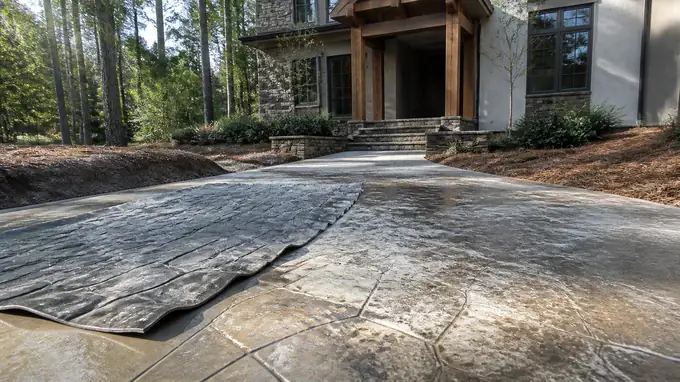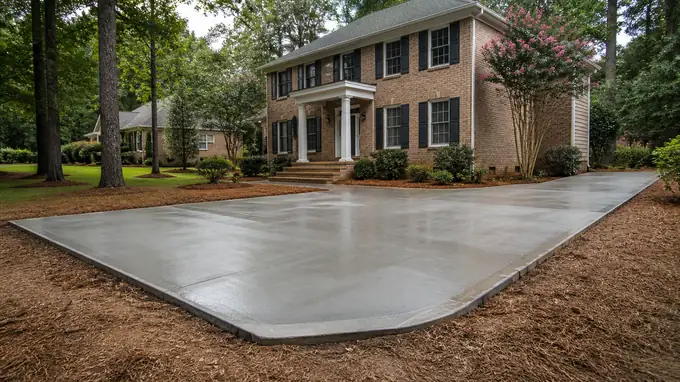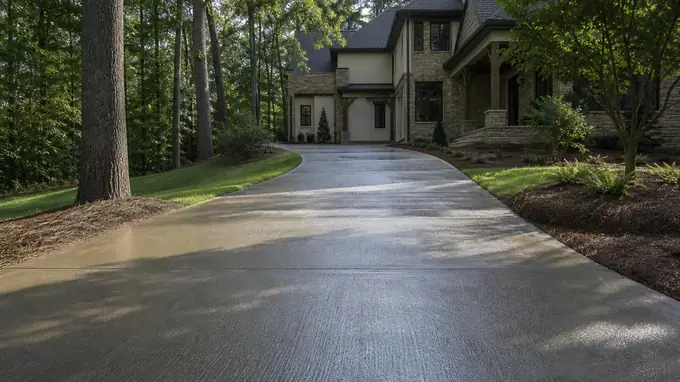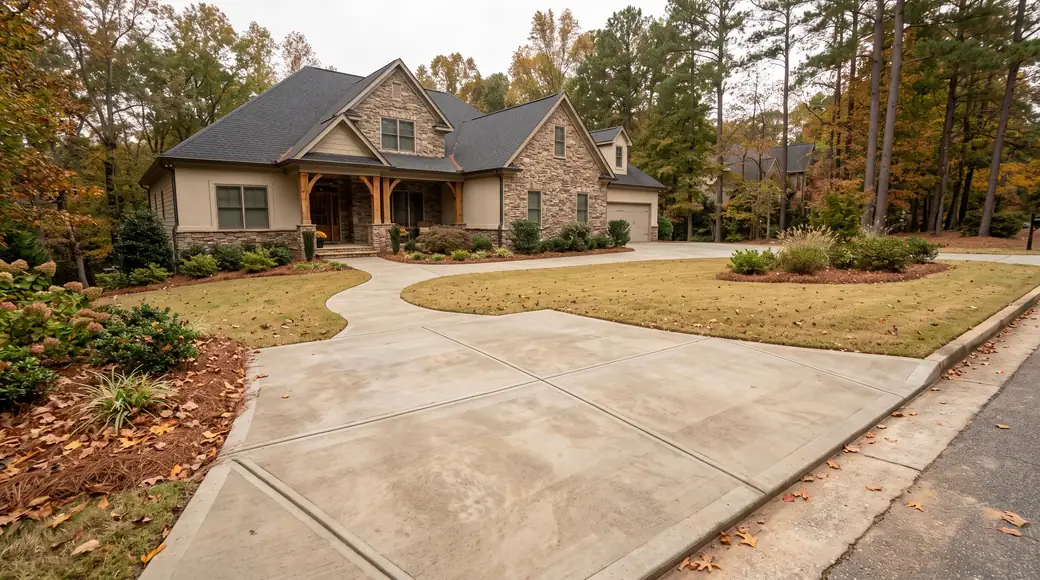
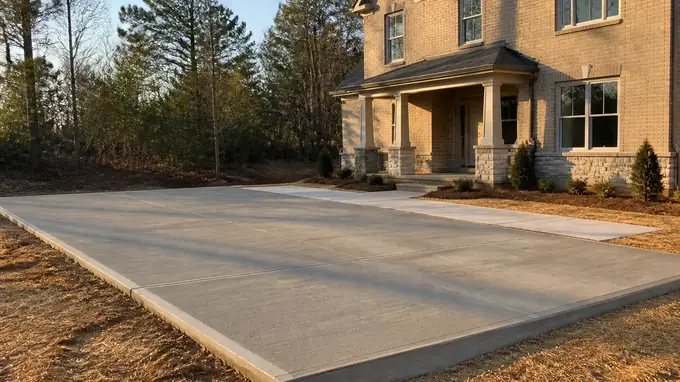
Commercial concrete for a restaurant or hotel is nearly all the ground a guest crosses before the door: the entry landing, the concrete sidewalk along the frontage, the patio slab, the ramp that has to hold an accessible slope. Behind the building it is the dumpster pad, the loading apron, the pad under a walk-in condenser. Some of it is meant to be looked at. Stamped concrete and colored concrete turn up on courtyards and dining terraces, where the finish is part of the room. The rest is flatwork that simply has to hold up.
Build changes with the load above it. A dining patio carrying tables and foot traffic is a different slab than a service drive taking a loaded box truck twice a day, and the difference lives in thickness, subgrade compaction, and whether the slab gets rebar or wire mesh. Frontage work in the public right of way is permitted through the City of Sandy Springs, so sidewalk installation at a Roswell Road storefront follows their detail rather than our preference. Interior slab replacement has its own demands: saw lines, dust control, and a floor flat enough to accept tile.
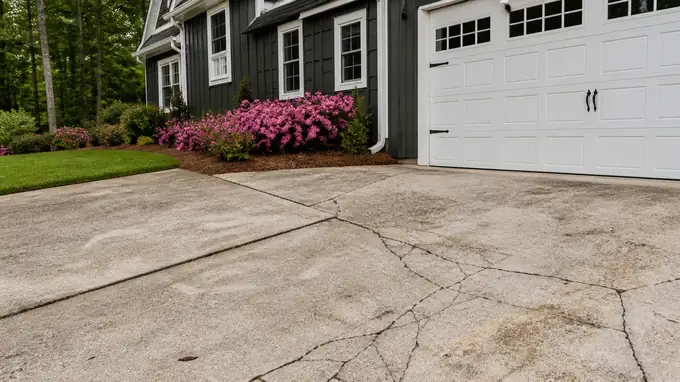
Failures repeat themselves. A thin pad cracks under a dumpster truck's outriggers, then the crack opens and the pad rocks. Grease soaks into unsealed concrete by a back door and stays there. Slabs pitched the wrong way pond water at the threshold, which walks into the kitchen on everyone's shoes. Sidewalk panels settle and lift a trip edge right where guests queue. Stamped work cracks straight through the pattern when the joints were placed for looks instead of movement, and no sealer fixes that afterward.
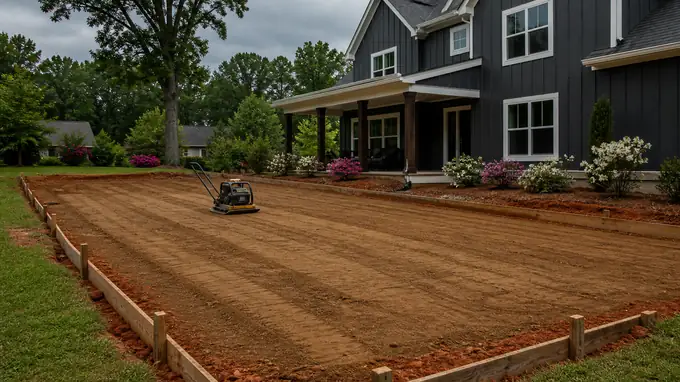
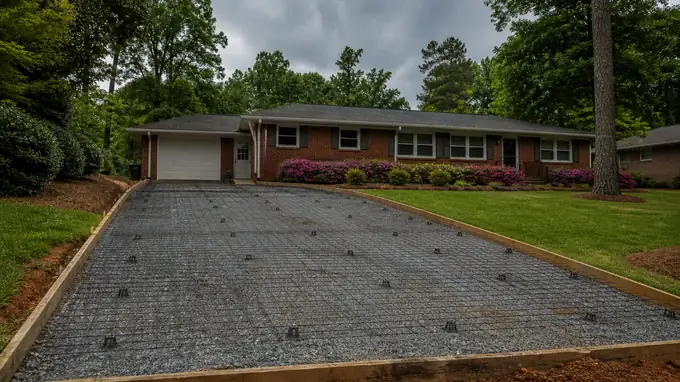
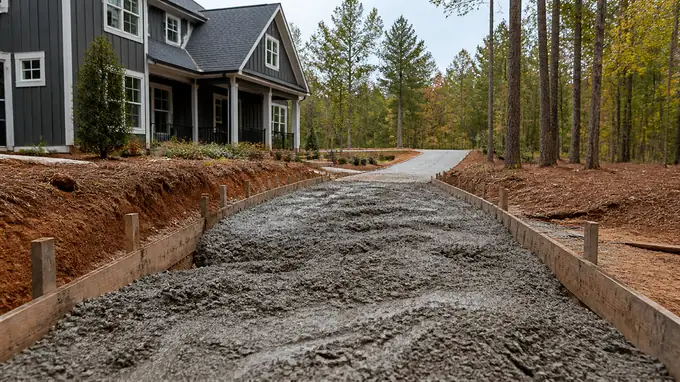
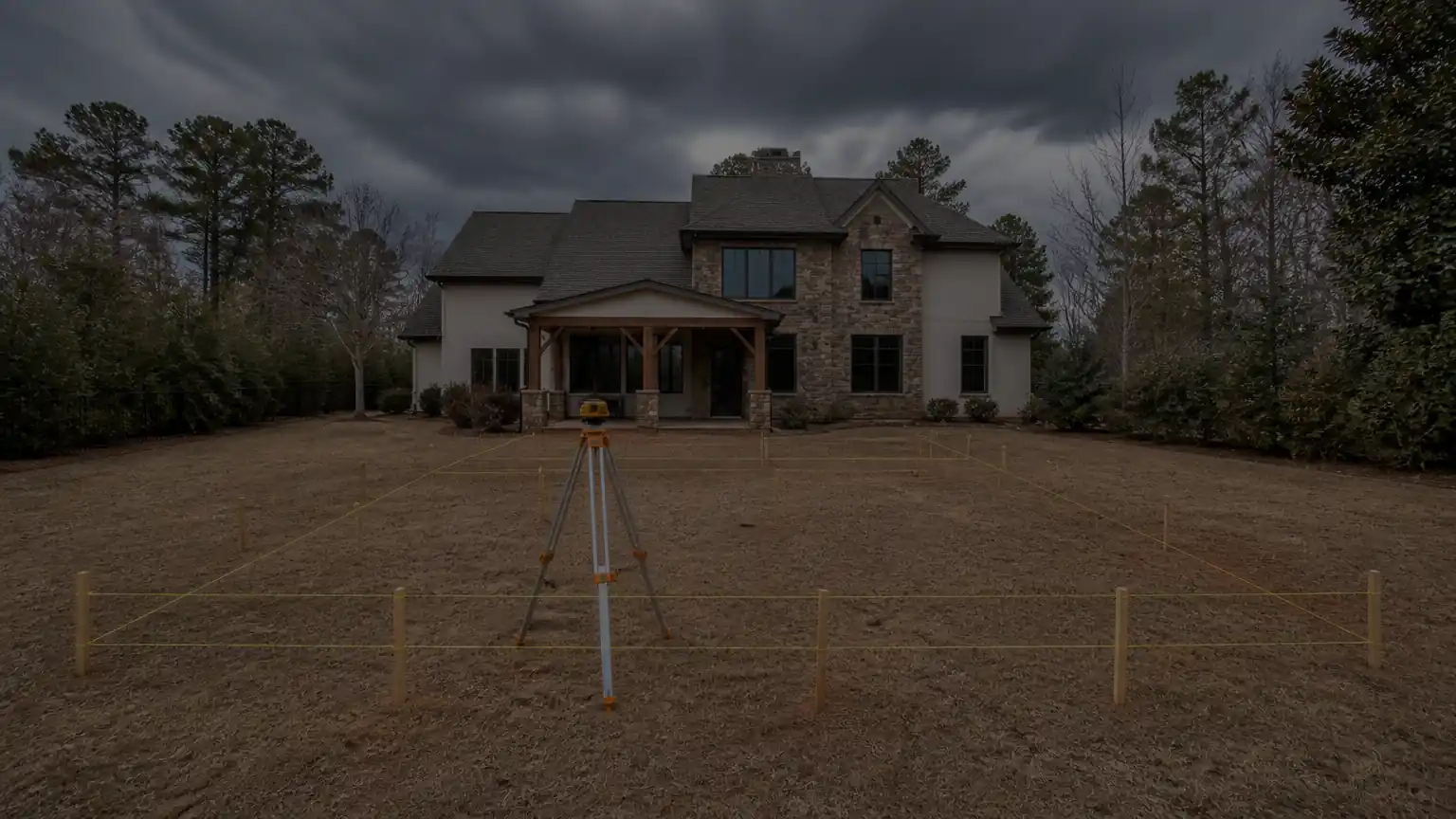
Getting it right is mostly work nobody sees once the barricades come down: proof-rolled subgrade, steel set at the correct height instead of hooked up mid-pour, joints cut on time and where the slab wants to move, drainage figured out on paper before a truck shows up. Much of the hospitality stock around Perimeter Center and City Springs sits on concrete poured decades ago, so a concrete contractor here spends more time removing and replacing than pouring new. That means demolition, hauling, and rebuilding a base that was never right underneath.