+1 470-740-7099
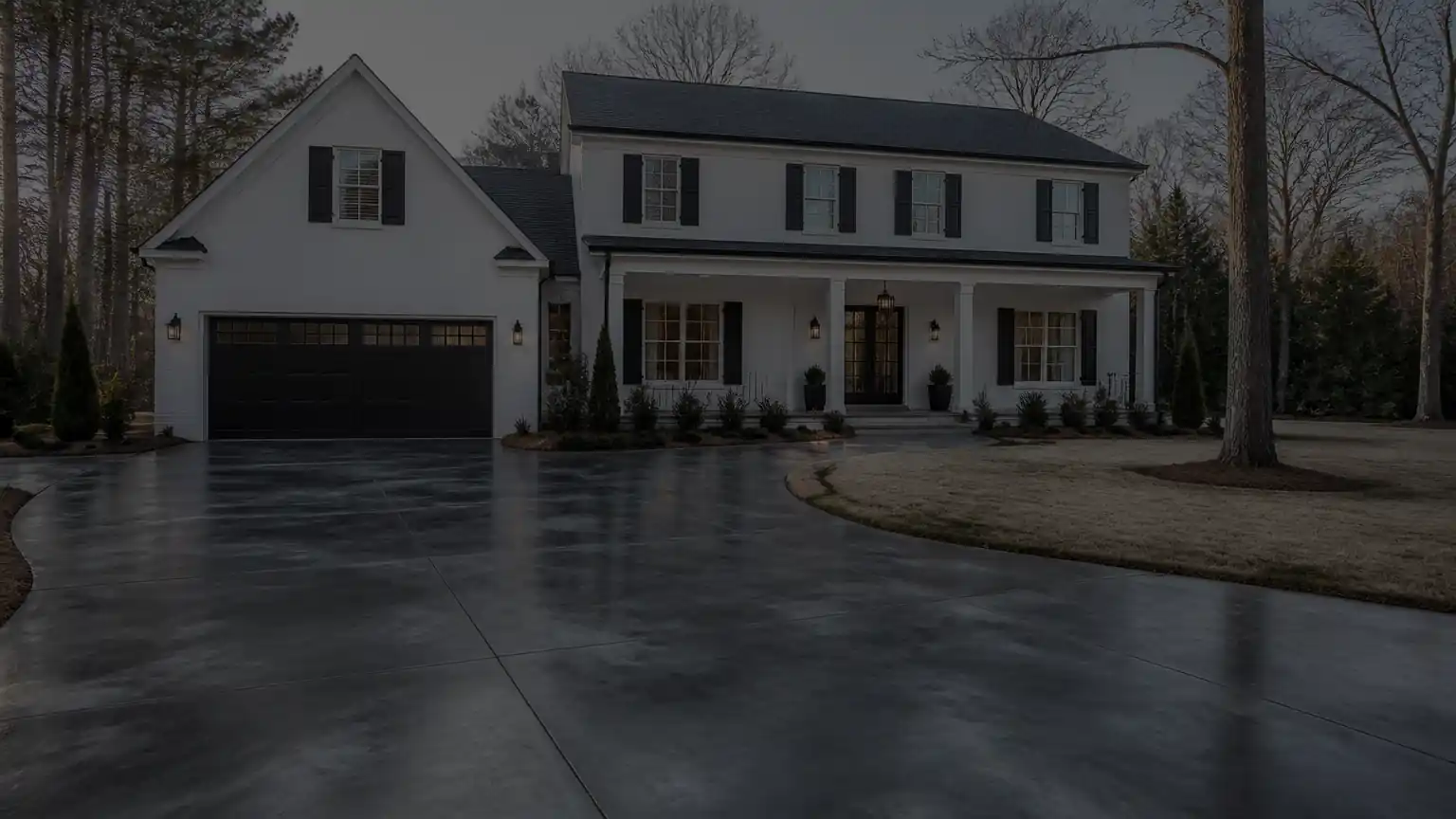
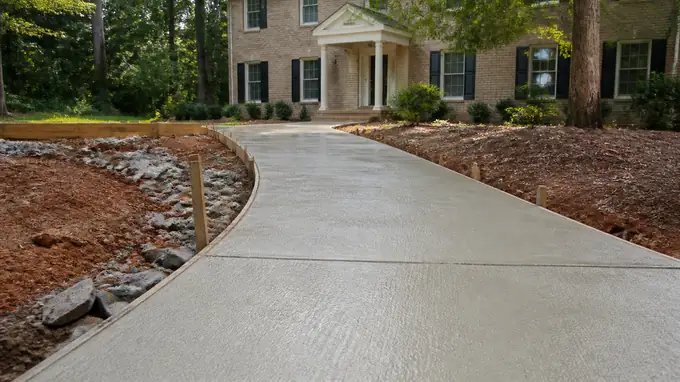
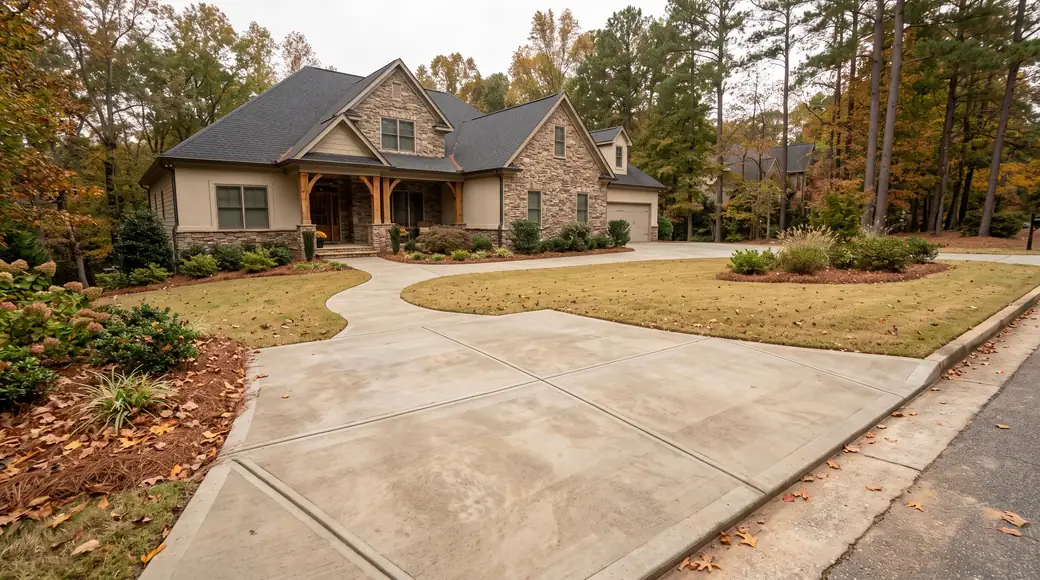
Wide view of finished concrete flatwork across the front of a home at a stacked-stone and stucco home in Sandy Springs, GA, under an overcast sky.

Cement Installation in Sandy Springs, GA

We pour and finish concrete for homes and businesses across Sandy Springs: driveways, patios, walkways, slabs, and the stamped and decorative surfaces that sit alongside them. The median home here was built in 1988, so many original driveways and patios are well into their fourth decade. That is long enough for cracks and settled sections to show. We remove what has failed and put down new concrete on a base prepared for it.

Most of what makes a slab last is decided before the pour. Fulton County is gently rolling, but the ground changes from block to block, and the soil does too. So we grade and test every site on its own before any forms go in. Thickness, reinforcement and drainage follow from what that property needs, not from habit. Call for a free estimate on your project.

Call +1 470-740-7099

Get FREE Estimates

Our Cement Installation Work in Sandy Springs

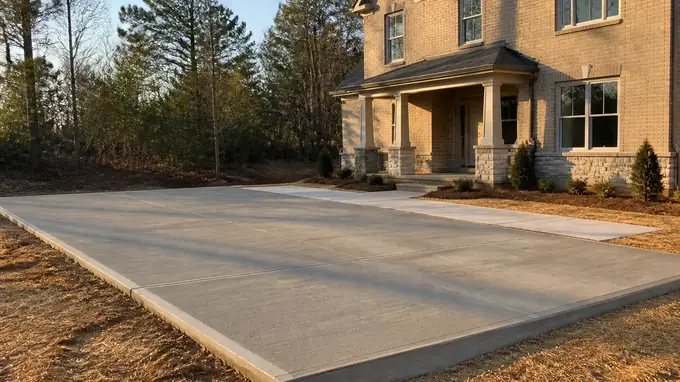
concrete slab installation completed by a local contractor at a brick-and-siding two-story home in Sandy Springs, GA, in late afternoon light.

Concrete Slab Installation Cost

What a slab costs comes down to things we measure on site: square footage, thickness, how much grading the lot needs, and what goes under and inside the pour. A 4-inch patio slab on compacted gravel is one job. A 6-inch slab with #4 rebar for a garage or shed is another. Access for the truck matters too. Call for a free estimate, priced from real measurements rather than a guess.


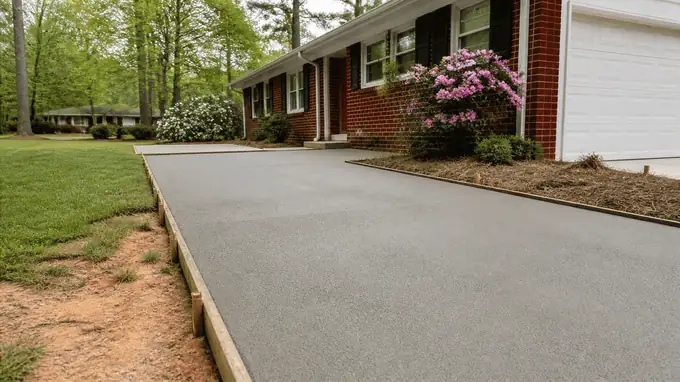
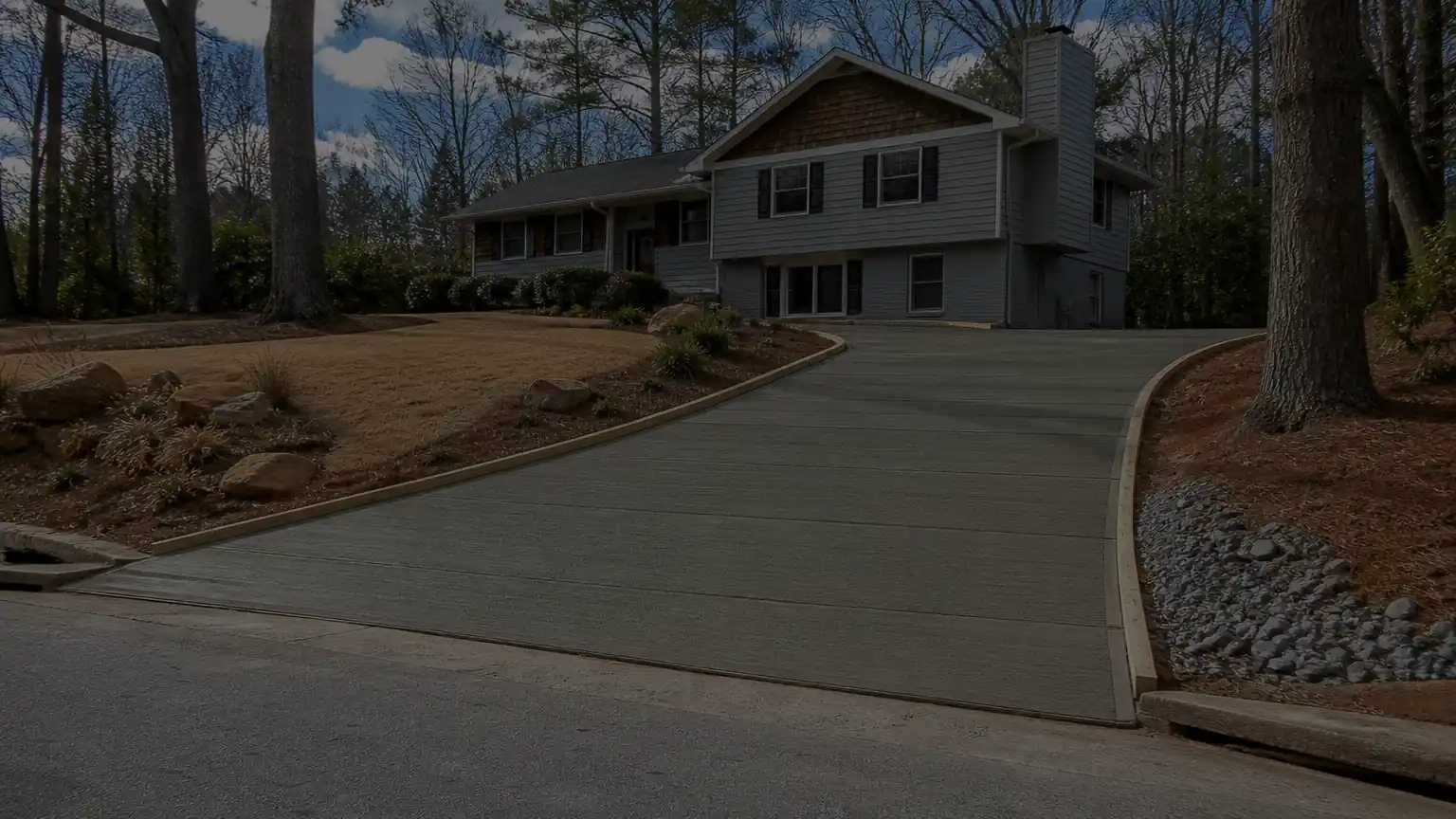
concrete driveway installation completed by a local contractor at a buff-brick ranch home in Sandy Springs, GA, under a hazy afternoon sky.

Concrete Driveway Installation

Driveways take more abuse than any other surface on a property. We pour them 4 to 5 inches thick over a compacted gravel base, with rebar or wire mesh, and cut control joints at spacing matched to the slab width. With about 50 inches of rain a year, slope and drainage get set before the forms go in. Broom finish is standard. Stamped and exposed aggregate are options. The median home here dates to 1988, so removing an older driveway is often part of the job.

concrete flooring installation completed by a local contractor at a painted-white-brick two-story home in Sandy Springs, GA, under low winter sun.

Concrete Flooring Installation

Basements, garages, workshops and additions get a 10 or 15 mil vapor barrier over compacted stone, so ground moisture stays out of the finished floor. We power trowel the surface smooth, then let it cure fully before any sealer, stain or polish goes on. Rushing that step is how coatings peel. Commercial floors, like the retail spaces along the Roswell Road corridor, get thickness and reinforcement sized to the loads they carry: racking, carts and steady foot traffic.

concrete slab repair completed by a local contractor at a stacked-stone and stucco home in Sandy Springs, GA, in raking morning side light.

Concrete Slab Repair

Cracks, settling and spalling each have a different cause, and a patch only holds if the cause is fixed. Hairline shrinkage cracks can be routed and sealed. A slab that has dropped at one corner usually means the base washed out or was never compacted, so we check drainage before lifting or replacing the section. Scaled surfaces get ground back and resurfaced. When a slab is broken through, we saw it out along clean lines and pour new, doweled into the old concrete.

Why Sandy Springs Chooses Sandy Springs Concrete Pros

Most homes here went up around 1988, so the driveways, walks and patios we see have carried cars, foot traffic and weather for decades. We don't pour over a failing base and call it new. We break out what has to go, check what sits underneath, and set reinforcement to suit the load the slab will actually carry.

Water is the other thing we plan around. The area sees about 50 inches of rain a year, and a surface that sheds it the wrong way ends up in a garage or against a foundation. Rion soil drains well across much of Fulton County, but it changes from lot to lot, so every site gets graded and tested on its own. Call for a free estimate.

How a Cement Installation Job Runs in Sandy Springs

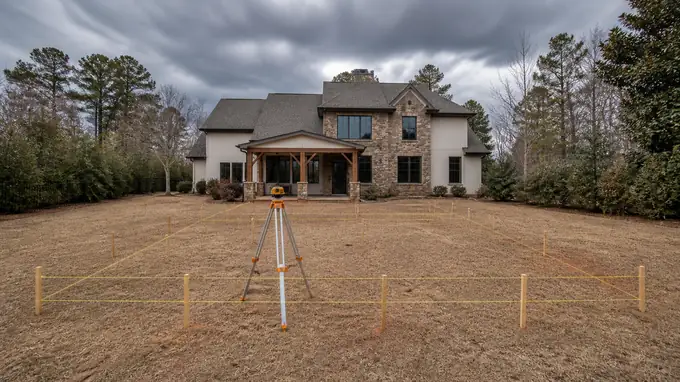
A contractor checks slope and drainage before work begins. at a stacked-stone and stucco home in Sandy Springs, GA, under a darkening storm sky.

Step 1: Site Assessment

We start by walking the property and reading what the old surface tells us: where water sits, where the slab has cracked, where roots have lifted a corner. Rion soil is common across Fulton County and usually drains well, but it varies, so we test your site rather than assume. We measure grade, check truck access, and look for anything buried. If the job needs a permit, we handle the permit.

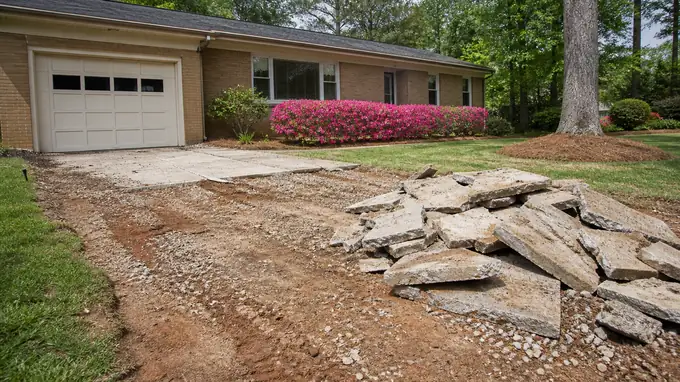
An old patio slab is broken up and hauled away. at a buff-brick ranch home in Sandy Springs, GA, in full afternoon sun.

Step 2: Site Preparation

Most slab failures begin underneath. We remove old concrete and topsoil, cut down to firm ground, and compact the subgrade in lifts. A crushed stone base goes on next, compacted again, so the slab bears evenly instead of bridging soft spots. Grade matters just as much. The ground here rolls gently but changes from block to block, so we set every surface with enough fall to shed water away from the house.

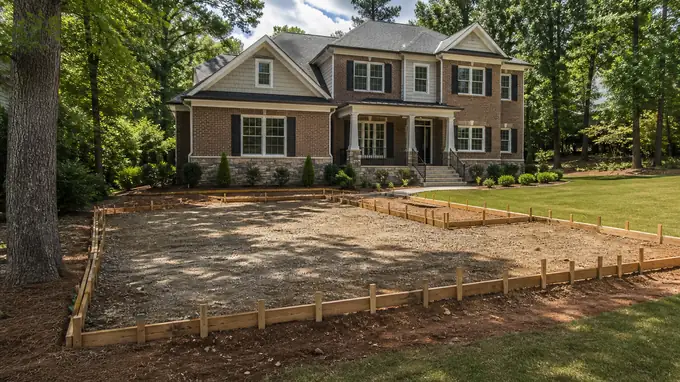
Wooden forms outline a patio slab before the pour. at a brick-and-siding two-story home in Sandy Springs, GA, under broken cloud.

Step 3: Forming & Reinforcement

Forms come next: straight lumber or steel for long runs, flexible forms for curved patio edges, staked tight and checked with a string line so the finished edge runs true. Inside them we lay rebar or welded wire, set on chairs so it sits in the middle of the slab. Steel lying on the dirt does nothing. Driveways get heavier reinforcement than walkways, and we dowel into existing slabs where new work meets old.

A bull float smooths a residential walkway surface after screeding. at a tan-brick colonial in Sandy Springs, GA, under bright midday cloud.

Step 4: Pouring

Pour day is about timing. We check the mix ticket against the order, confirm the slump before the chute swings over, and size the crew so concrete never sits waiting. Adding water at the truck makes it easier to place and weaker once it sets, so we don't. We place from the far end, work it into the corners, consolidate around the steel, and screed the surface flat to the forms.

A hand trowel smooths a small patio surface to a hard finish. at a red-brick ranch home in Sandy Springs, GA, under a hazy afternoon sky.

Step 5: Finishing

Once the bleed water leaves the surface, we float it, edge it, and cut control joints so cracks form where we choose instead of wherever the slab decides. Then the finish: broom texture for grip on driveways and walks, a hard trowel for garage floors, or stamped patterns with color hardener and release for decorative patios. Troweling while bleed water is still up is how surfaces end up flaking a few winters later.

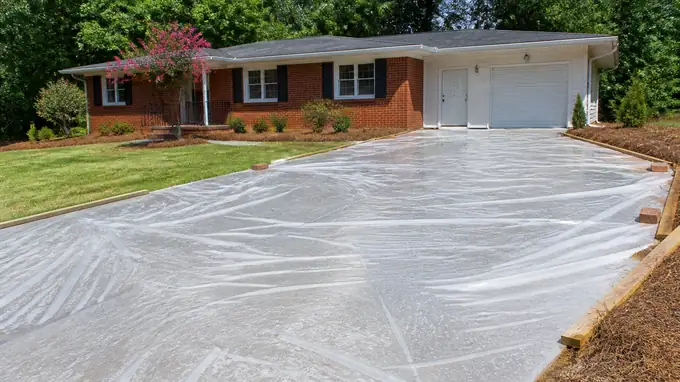
Plastic sheeting covers a curing driveway slab. at a red-brick ranch home in Sandy Springs, GA, in full afternoon sun.

Step 6: Curing

Concrete keeps gaining strength for weeks after it looks done, and how it cures decides much of its lifespan. We hold moisture in with a curing compound or wet covering so the top doesn't dry faster than the core, which is what causes surface crazing. With about 50 inches of rain a year here, we watch the forecast and cover fresh work before a storm. Keep vehicles off until the slab is ready.

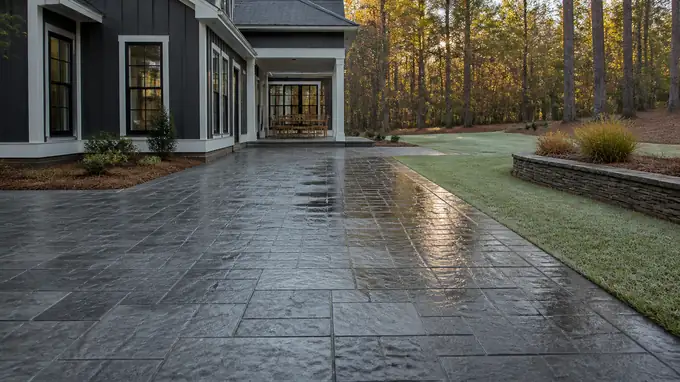
A roller applies sealer to a stamped patio surface. at a charcoal farmhouse-modern home in Sandy Springs, GA, in early morning light.

Step 7: Sealing

Sealer goes on after the slab has cured and dried out. On plain broom-finished driveways we use a penetrating silane or siloxane sealer that soaks in, blocks water and oil, and leaves the look unchanged. Stamped and colored work usually gets an acrylic sealer that deepens the color and adds some sheen. Either way the surface needs resealing every few years, and knowing which product is on it keeps the next coat compatible.

Concrete Systems and Materials for Sandy Springs

Most of what we pour is a plain broom-finished slab, because it grips well underfoot and stands up to daily traffic. Driveways get rebar or welded wire reinforcement, set on chairs so the steel sits in the middle of the slab rather than on the ground. Patios and walkways can go decorative: stamped patterns, integral color, or an exposed aggregate surface. Commercial work follows the same logic with heavier sections.

Ground conditions decide the rest. Rion, Fulton County's dominant soil, drains well, but it changes from one lot to the next, so we test every site before we set forms. With about 50 inches of rain a year, slope and base matter as much as the mix. We grade so water sheds off the surface, compact a stone base, and cut control joints so any cracking follows lines we chose. Doing that up front costs less than tearing out a slab later.

Frequently Asked Questions About Cement Installation in Sandy Springs

How much does a cubic yard of cement typically cost in Sandy Springs?

No single figure holds up. The price of a yard depends on the mix design, any fibers or admixtures, how much is being ordered and how far the truck has to travel. The material is also only one part of a finished job: excavation, base, forming, reinforcement and finishing all sit on top of it. A free estimate is the way to get a real number, built on your slab, your site and your access.

How thick should a cement slab be for a residential garage in Sandy Springs, GA?

Thick enough for what parks on it, and no thinner. A garage slab carries more weight than a patio or a walkway, so it gets more depth, a firmer compacted base and steel reinforcement sized to the load. We settle the final thickness after testing the ground at your property, since soil changes from one lot to the next. A heavy truck, a workshop or a car lift all change the answer too.

Is cement installation in Sandy Springs, GA affected by the local climate or soil conditions?

Yes. Fulton County gets about 50 inches of rain a year, so drainage and slope get as much attention as the pour itself. Snow is light, around an inch a year. The dominant soil is Rion, which drains well, but it varies across the county, and the ground is gently rolling with plenty of change from block to block. That is why we test and grade every site on its own before any concrete goes down.

What types of cement finishes work best for outdoor commercial surfaces in Sandy Springs?

Broom finish is the workhorse. It gives shoes and tires something to grip when the surface is wet, and with this much rain that matters on sidewalks, plazas and parking areas. Where appearance counts, such as a storefront entry along Roswell Road, stamped or exposed aggregate work adds texture and color without giving up traction. We choose the finish by foot traffic, drainage and how the property reads from the street.

What commercial cement installation services do you offer in Sandy Springs?

Our commercial work covers sidewalks, curbs, entry plazas, dumpster pads, loading areas, parking surfaces and structural slabs for new construction or additions. We also cut out and replace failed sections on existing properties. Around Perimeter Center and City Springs, that often means working while a business stays open, so we phase the job to keep entrances and walkways usable. Decorative concrete is available wherever a property wants more than a plain surface.

How do you ensure cement quality, strength, and code compliance on commercial projects in Sandy Springs?

It starts under the slab. We test and grade the site, compact the base, and set forms and reinforcement to the drawings before any concrete arrives. Delivery tickets get checked against the specified mix at the truck, and every pour is cured properly rather than rushed. On the paperwork side, we handle the permit and build the schedule around the inspections the project requires. Where an engineer calls for strength testing, that goes into the schedule as well.

Get a Free Estimate

Get FREE Estimates

Tap to call +1 470-740-7099