+1 470-740-7099
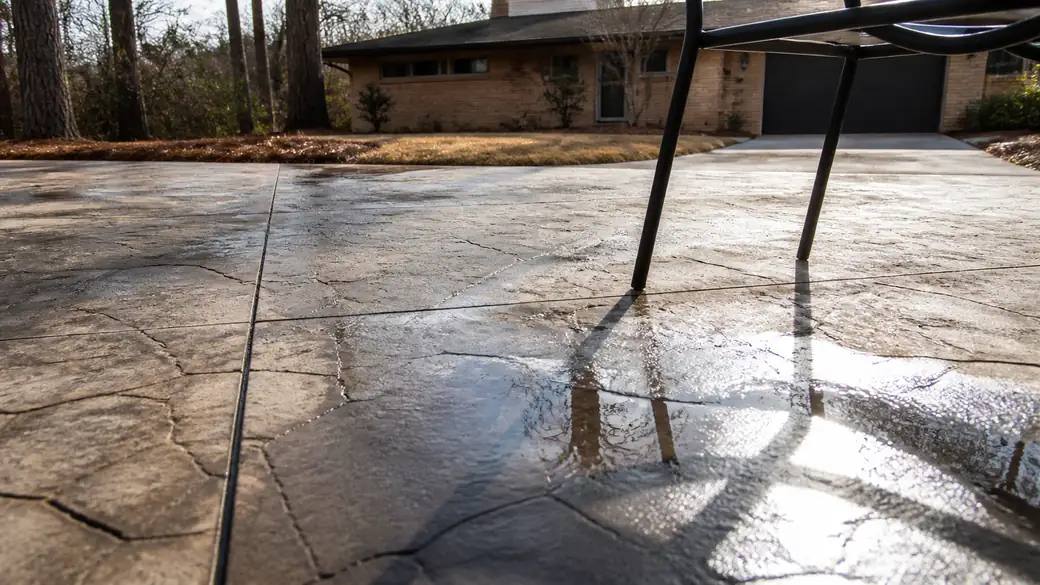
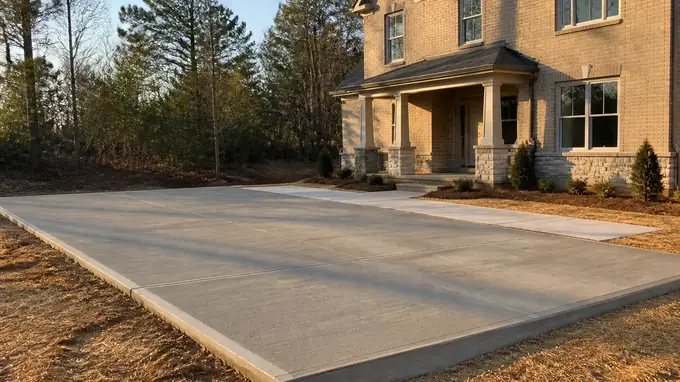
concrete patio repair completed by a local contractor at a buff-brick ranch home in Sandy Springs, GA, after a rain shower.

Concrete Patio Repair in Sandy Springs, GA

A patio that has cracked, dropped at one corner or started to flake on top usually does not need to come out. A lot of that damage is repairable: a slab that has settled away from the house, control joints that have opened wide, a stamped or decorative finish worn thin where the grill and chairs sit. The median home in Sandy Springs was built in 1988, so plenty of these patios have been outside for a long time. Old concrete can still be sound underneath. Our job is to find out whether it is, then fix what actually needs fixing.

Repair starts with the whole slab, not just the crack you can see. We look at how it drains, whether it has moved, and what it sits on. Rion soil is common in Fulton County, but it changes from lot to lot, so every site is tested on its own before any work starts. The fix follows the cause. That might mean lifting and leveling a sunken section, cutting out a failed panel and pouring a new one with proper reinforcement, routing and sealing cracks, or resurfacing a worn top. Small problems get small repairs.

Water does most of the harm. The area gets about 50 inches of rain a year, and a patio pitched toward the house instead of away from it sends that water straight to the foundation and under the slab. Fulton County ground is gently rolling, and on a sloped lot a patio often ends up on fill. If that fill was never compacted properly, the concrete settles as it softens. Sealing a crack without dealing with the drainage or the base underneath just means sealing it again. We would rather fix the reason once.

Getting it right takes care more than anything else. It means matching the color and texture of the existing surface so the repair does not read as a patch. It means setting the new section at the right pitch and giving the materials time to cure before the furniture goes back. With a median home value of $583,900 here, the patio is part of what the property is worth, and a poor repair shows every time someone steps outside. Sometimes a slab is past saving, and that is worth knowing first. Call for a free estimate.
Call +1 470-740-7099

Get FREE Estimates

Our Concrete Patio Repair Work in Sandy Springs

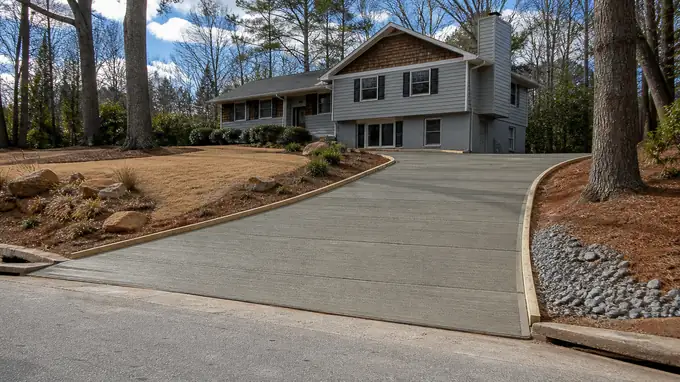
concrete slab installation completed by a local contractor at a brick-and-siding two-story home in Sandy Springs, GA, in late afternoon light.

Concrete Slab Installation Cost

What a slab costs comes down to what sits under it and inside it. A patio slab on compacted gravel is a lighter job than a thickened pad built to carry a hot tub, and a rebar grid tied on chairs runs more than welded wire mesh. Excavation, forming and access all count: a truck at the curb pours faster than wheelbarrows through a side gate. Call for a free estimate and ask for it line by line.

concrete driveway installation completed by a local contractor at a buff-brick ranch home in Sandy Springs, GA, under a hazy afternoon sky.

Concrete Driveway Installation

Driveways take the heaviest loads we pour for, so the base gets the most attention. We cut out soft material, compact a crushed-stone base, and set rebar on chairs so it sits mid-slab, not in the dirt. Control joints go in before the concrete can crack on its own schedule. With about 50 inches of rain a year, we pitch every driveway to shed water away from the garage and the house.

concrete flooring installation completed by a local contractor at a painted-white-brick two-story home in Sandy Springs, GA, under low winter sun.

Concrete Flooring Installation

Floor slabs go into garages, basements, workshops and additions, and what goes under them matters as much as the pour. We lay a compacted stone base, then a vapor barrier so ground moisture does not wick up into whatever flooring comes later. Reinforcement is mesh or rebar, sized to the load. The finish follows the use: a hard steel trowel for a garage or shop, a denser, flatter surface for polishing or stain, or a plain slab ready to take tile.

concrete slab repair completed by a local contractor at a stacked-stone and stucco home in Sandy Springs, GA, in raking morning side light.

Concrete Slab Repair

Cracks, sunken sections and a flaking surface each have a different cause, and the fix follows the cause. A slab that dropped usually lost its base to water running underneath, so we lift it with foam or cut it out, re-compact, and pour back with dowels into the old concrete. Hairline cracks get routed and sealed; a flaking top can take a bonded overlay. When the damage runs through most of the slab, replacement is the honest answer.

How a Concrete Patio Repair Job Runs in Sandy Springs

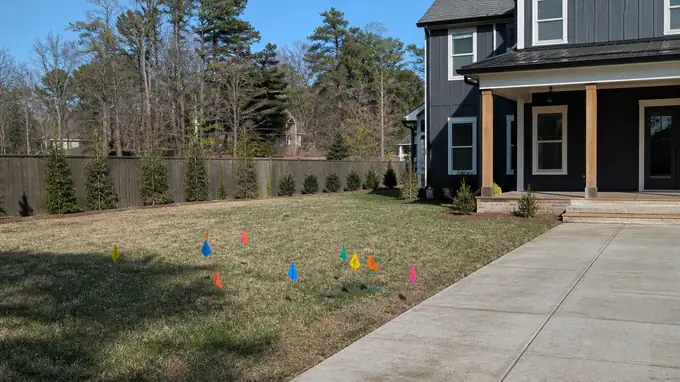
Utility flags mark buried lines before digging starts. at a charcoal farmhouse-modern home in Sandy Springs, GA, in full afternoon sun.

Step 1: Site Assessment

The first visit is about finding out why the patio failed, because the crack you see is rarely the cause. We check whether the slab has settled, heaved or just worn through at the surface. We look at where the downspouts empty and which way water runs. We also ask when it was poured: the median home here was built in 1988, and an original slab ages differently from a recent one. Then we tell you whether it needs patching or replacing.

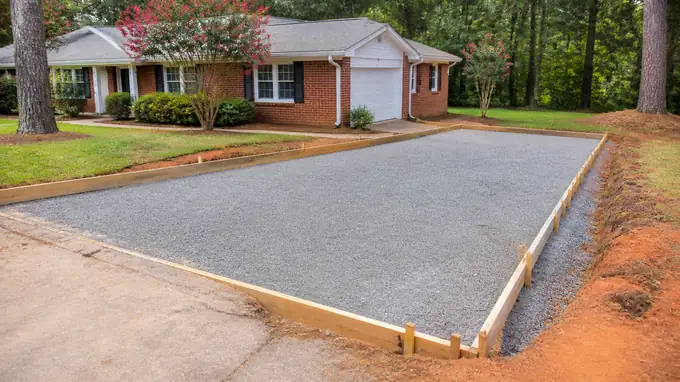
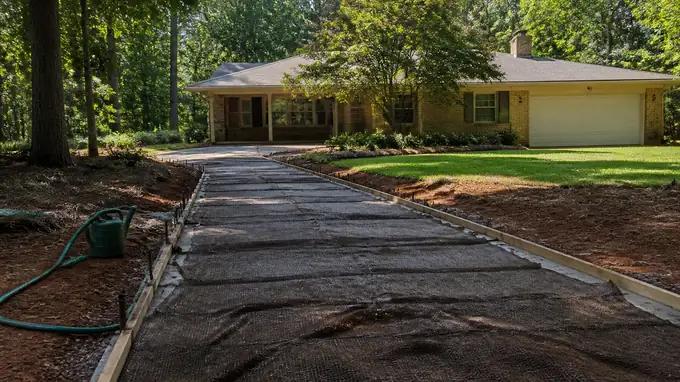
Crushed stone base is raked level inside driveway forms. at a red-brick ranch home in Sandy Springs, GA, under bright midday cloud.

Step 2: Site Preparation

Most patio failures start underneath. We break out the damaged section along clean saw cuts so the new concrete meets sound edges instead of crumbling ones. Soft or washed-out fill comes out. The dominant soil around here is Rion, which is well drained, but it varies from yard to yard, so we test what is actually under your slab. Then we bring in crushed stone, compact it in lifts and set the grade to shed water away from the house.

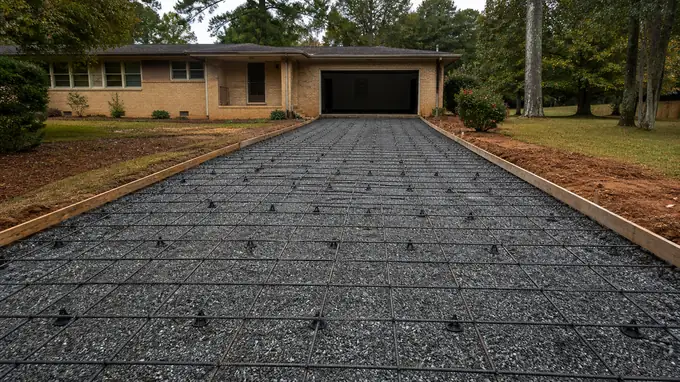
A worker ties rebar into a grid before a residential pour. at a buff-brick ranch home in Sandy Springs, GA, after a rain shower.

Step 3: Forming & Reinforcement

Forms go up in straight lumber, or flexible hardboard where the patio curves, staked tight and checked for slope. Where new concrete meets old, we drill into the existing slab and epoxy in dowels so the two sections move together instead of shearing apart. Across the new pour we lay rebar or welded wire mesh on chairs so it sits in the middle of the slab. Mesh left lying on the gravel does nothing. It is one of the most common faults we cut out.

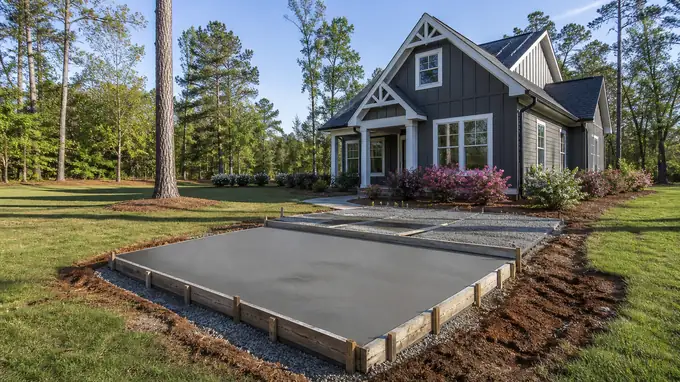
A screed board levels fresh concrete on a small patio. at a charcoal farmhouse-modern home in Sandy Springs, GA, under low winter sun.

Step 4: Pouring

We order the mix for the job and check the slump when the truck arrives. Water added on site to make concrete easier to spread weakens the surface, so we don't do it. The concrete is placed, worked into the corners and screeded off the forms to height. On a repair, matching the finished height of the old slab matters more than anything else in this step. A lip of even a fraction of an inch is a trip hazard you will notice every day.

A broom drags across a driveway creating a slip-resistant texture. at a grey split-level home in Sandy Springs, GA, under broken cloud.

Step 5: Finishing

Once the bleed water leaves the surface, we float it and put on the finish. A broom finish gives grip around pools and on shaded patios that stay damp. Stamped and decorative finishes are an option too, though matching an existing stamped pattern takes care and a test section. Control joints get tooled or cut in at even spacing, so when the slab cracks, it cracks along a straight line we chose, not wherever it likes across your seating area.

Damp burlap covers a small slab section during curing. at a buff-brick ranch home in Sandy Springs, GA, in raking morning side light.

Step 6: Curing

Concrete keeps gaining strength for weeks after it looks dry, and how it cures decides how hard the surface ends up. We apply a curing compound or cover it with sheeting so the top does not dry out faster than the slab beneath it. Foot traffic can come back within days. Furniture, grills and heavy planters wait longer, and we tell you when. We also watch the forecast around a pour, since a hard rain on fresh concrete ruins the finish.

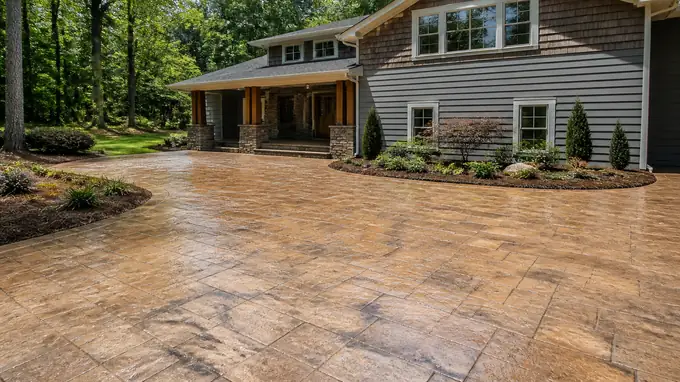
A finished stamped surface shows a glossy sealed sheen. at a grey split-level home in Sandy Springs, GA, in full afternoon sun.

Step 7: Sealing

After the slab has cured, a sealer goes on to keep water, oil and leaf stains from soaking in. Film-forming sealers give stamped and colored concrete a richer look but need recoating as they wear. Penetrating sealers stay invisible and suit a plain broom finish. With about 50 inches of rain a year here, a sealed surface sheds water that would otherwise soak in and darken the patio in patches. Resealing every few years keeps the repair and the original slab looking like one surface.

What Decides the Price of Concrete Patio Repair

Patio repair is priced by what we find on site, and most of it you can check yourself before anyone writes a quote. Walk the slab. Look at how the cracks run, where water sits after a storm, and how far the patio is from the nearest spot a truck can park.

What changes the priceWhich wayWhy
Slab is sound under the surface damagecosts lessSpalling or shallow cracks on a solid slab can be patched or resurfaced instead of replaced.
Sections have sunk or heavedcosts moreMovement means the base underneath failed, and that has to be dug out and rebuilt before new concrete goes down.
Old concrete has to come outcosts moreBreaking it up, loading it and hauling it away is labor and disposal on top of the new pour.
No truck access to the backyardcosts moreIf the mixer cannot reach the patio, concrete moves by pump or by buggy, which adds equipment and hours.
Thicker slab or added reinforcementcosts moreA patio carrying a hot tub or a heavy grill needs more depth and rebar than one holding chairs.
Water drains toward the housecosts moreCorrecting the slope, or adding a drain, is part of doing the repair right.
Tree roots under the slabcosts moreRoots have to be cut back or the new section lifts the same way the old one did.
Matching a stamped or colored finishcosts morePattern and color work takes extra steps, and blending new with weathered concrete takes care.

When you compare bids, read the scope, not the total. Each one should state the slab thickness, the reinforcement, how the base is prepared, whether tear-out and haul-away are included, and who handles the permit if the job needs one. A bid that leaves out base prep is a different job, not a cheaper one.

Frequently Asked Questions About Concrete Patio Repair in Sandy Springs

What concrete patio & deck repair methods do you use for spalling, flaking, and surface scaling in Sandy Springs?

It depends on how deep the damage goes. Where the top layer is flaking but the concrete underneath is sound, we grind or pressure-clean down to solid material, then bond a polymer-modified resurfacer over the whole surface so it cures as one even face. Deeper spalls get cut back to clean edges and patched with repair mortar first. We finish with a penetrating sealer, because water getting into the surface is what started the flaking.

What are the most common causes of cracks in a concrete patio or deck in Sandy Springs?

Most cracks we see trace back to what is under the slab, not the concrete itself. A base that was never compacted properly settles, and the slab follows it down. Downspouts that dump against the patio edge wash out the fill. Tree roots lift sections. Slabs poured without enough control joints crack wherever they choose. With the median home here built in 1988, plenty of patios are old enough for all of these to show.

How thick should a concrete patio be?

Thick enough for what sits on it, over a base that will hold it. A patio carrying a table and chairs asks for less than one under a hot tub or an outdoor kitchen. A slab over well-compacted stone often outlasts a thicker one poured on loose fill. Before we repair anything, we check the existing slab's depth at an edge and look at the base, because no surface repair can fix a slab that was poured too thin.

In Sandy Springs, when should a concrete patio or deck be repaired versus fully replaced?

Repair makes sense when the slab sits level and the damage is on top: scaling, shallow spalls, hairline cracks that are not growing. Replacement is the honest call when sections have sunk or heaved, when cracks keep widening, or when water pools against the house. We tell you which one we see, and why. Patching a slab with a failed base only puts off the same work, and you end up paying for it twice.

How long does concrete patio repair take from start to finish for Sandy Springs properties?

Curing sets the pace more than the work itself. Prep and application on a small patio are quick; larger areas and deep patching take longer. Then the new surface needs time to cure before it takes foot traffic, and more time before furniture and grills go back on it. With about 50 inches of rain a year, we schedule around the forecast, since rain on fresh material ruins the finish.

How much does concrete patio repair typically cost in Sandy Springs?

We do not quote a number until we have seen the slab. Two patios the same size can need completely different work: one wants a cleanup and a resurfacing coat, while the other has a sunken corner that means lifting or replacing a section. A guess over the phone helps nobody. An honest price comes from measuring the patio, checking the base and drainage, and pricing the work it actually needs. Call for a free estimate.

Get a Free Estimate

Get FREE Estimates

Tap to call +1 470-740-7099