+1 470-740-7099
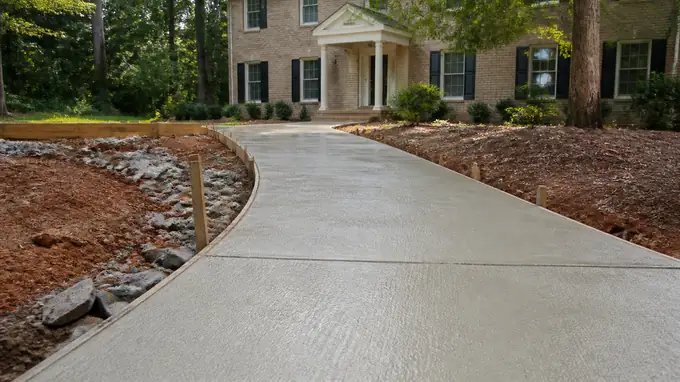
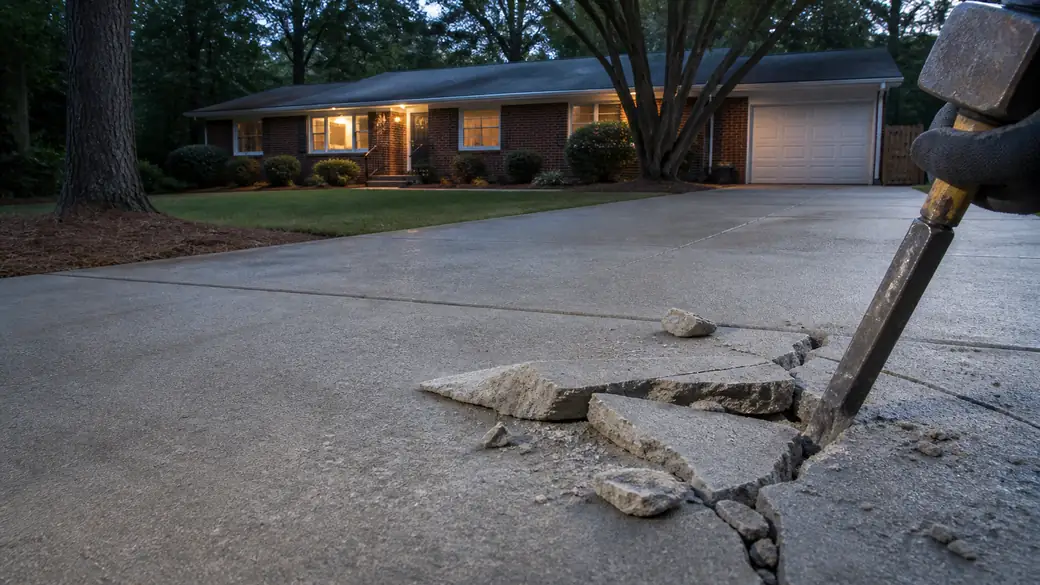
concrete driveway crack repair completed by a local contractor at a red-brick ranch home in Sandy Springs, GA, at blue hour.

Concrete Driveway Crack Repair in Redan, Georgia

A crack in a driveway is rarely just a surface problem, and it is rarely a reason to tear the whole slab out. We repair concrete driveways in Redan by first working out why the crack opened: shrinkage as the concrete cured, a base that settled underneath, roots pushing up from the side, or heavy vehicles loading an edge that was never built for them. Hairline cracks and cracks that are still moving need different fixes. Getting that call right is most of the job.

Small, stable cracks get cleaned out, routed where needed, and filled with a flexible sealant that keeps water from working under the slab. Wider or uneven cracks may call for patching, or for cutting out the failed section and pouring it back with reinforcement tied into the sound concrete around it. We look at every property on its own before recommending anything. If your driveway has started to split, heave or sink at a joint, call for a free estimate.

Call +1 470-740-7099

Get FREE Estimates

Concrete Services in Redan

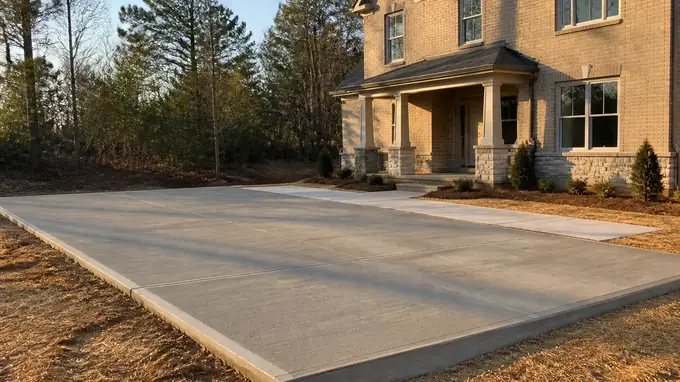
concrete slab installation completed by a local contractor at a brick-and-siding two-story home in Sandy Springs, GA, in late afternoon light.

Concrete Slab Installation Cost

What a slab costs comes down to what sits under it and what it has to carry. Thickness, reinforcement, how much grading and base stone the site needs, truck access and the finish all move the number. A plain broom-finished pad for a shed sits at one end. A thickened, rebar-reinforced slab for a garage sits at the other. We walk the site, test the ground and price the actual job, not a square-foot guess.


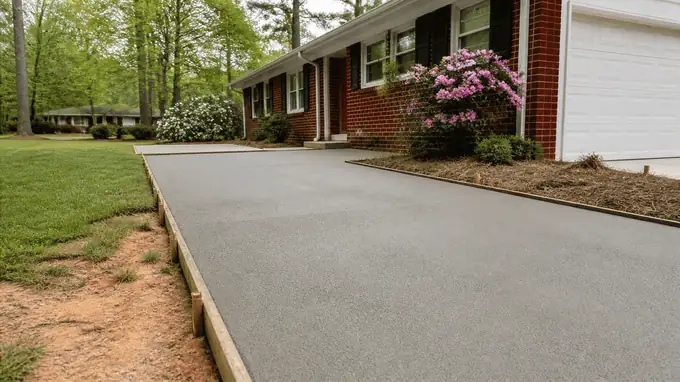
concrete driveway installation completed by a local contractor at a buff-brick ranch home in Sandy Springs, GA, under a hazy afternoon sky.

Concrete Driveway Installation

A driveway fails from the bottom up. Most cracked drives were poured on soft fill or a thin base, with no joints cut where the slab wanted to move. We excavate to firm ground, compact a stone base, and set rebar or wire mesh on chairs so it stays mid-slab. Edges get thickened where tires roll off. Control joints are saw-cut once the surface can take the blade. Finish is your call: broom, exposed aggregate or stamped.

concrete flooring installation completed by a local contractor at a painted-white-brick two-story home in Sandy Springs, GA, under low winter sun.

Concrete Flooring Installation

Interior floors ask for a different kind of care. Under a basement, garage or shop floor, we lay a vapor barrier over compacted base so ground moisture does not wick up through the slab and lift flooring later. Reinforcement goes in to hold cracking tight, and joints are laid out so any crack lands where it is meant to. The surface can be power-troweled smooth, ground and polished, or sealed for a garage that sees oil and tire marks.

concrete slab repair completed by a local contractor at a stacked-stone and stucco home in Sandy Springs, GA, in raking morning side light.

Concrete Slab Repair

Before patching anything, we find out why it broke. A hairline shrinkage crack is cosmetic and can be routed and sealed. A crack that keeps widening, or a slab edge that has dropped, points to washed-out base, tree roots or water running underneath. Patch that alone and it opens again. Depending on what we find, we fill and seal, lift and level the section, or cut out the failed panel and pour it back with doweled joints.

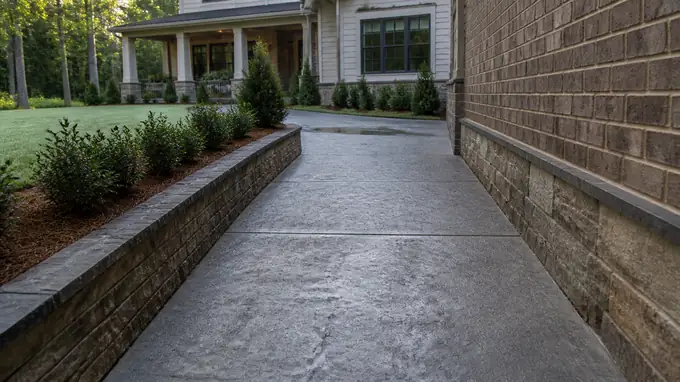
concrete sidewalk installation completed by a local contractor at a brick-and-siding two-story home in Sandy Springs, GA, in early morning light.

Concrete Sidewalk Installation

Walks look simple and fail in simple ways: heaving at a root, pooling at a low spot, a trip edge where two panels settled differently. We set forms with a slight cross slope so water sheds off, compact the base, and tool joints at even spacing so the walk cracks on the lines. A light broom finish gives grip when it is wet. Where a walk meets a driveway or stoop, we tie it in with an expansion joint.

Why Choose Sandy Springs Concrete Pros

A crack in a driveway is a symptom, and we treat it that way. Before we fill anything, we look at why the slab moved: water getting under the edge, a base that settled, reinforcement that was never there, or a control joint cut too shallow. Every site gets tested individually before work starts, because the ground under one driveway can differ from the one next door. Sealing a crack without knowing its cause just means seeing it again.

Some cracks are cosmetic. A hairline split across a sound slab can be routed, cleaned and filled with a flexible sealant that moves with the concrete. Others mean the surface has lifted or sunk, and patching them is money spent twice. We tell you which one you have, plainly, even when the smaller job is the right answer. If a section needs to come out, we cut it clean, rebuild the base and pour new concrete doweled into the existing driveway. Call for a free estimate.

What to Expect on a Redan Concrete Job

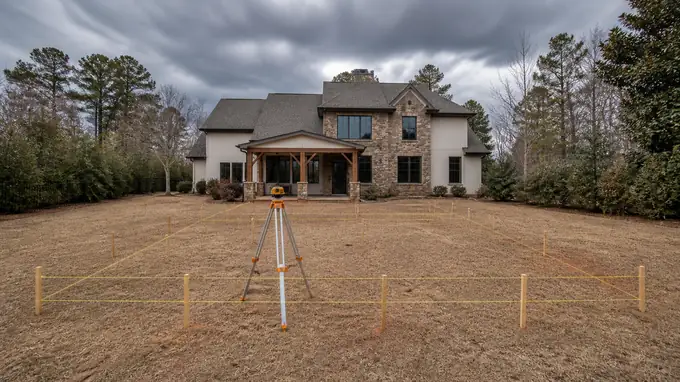
A contractor checks slope and drainage before work begins. at a stacked-stone and stucco home in Sandy Springs, GA, under a darkening storm sky.

Step 1: Site Assessment

Before anything else, we walk the driveway and read the cracks. A hairline running straight across the slab tells a different story than a wide, heaved crack with one side sitting higher than the other. We check where water sheds, whether tree roots are lifting the surface, and how the base feels underfoot. Every site is tested individually before work starts, so the repair plan comes from this property and not from a guess.

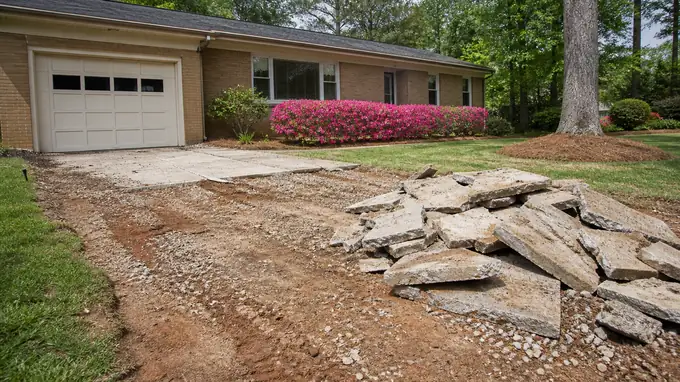
An old patio slab is broken up and hauled away. at a buff-brick ranch home in Sandy Springs, GA, in full afternoon sun.

Step 2: Site Preparation

Broken sections come out along a saw cut, not by sledgehammer, so the edge we pour against is clean and square. Once the old concrete is hauled off, we dig out soft or wet base material and replace it with crushed stone, compacted in lifts with a plate compactor. Most driveway failures we see started right here: a thin, loosely packed base that let the slab settle and snap. Nobody sees this part. It matters most.

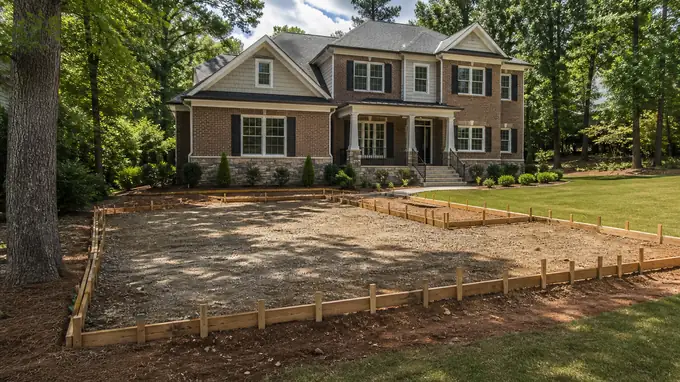
Wooden forms outline a patio slab before the pour. at a brick-and-siding two-story home in Sandy Springs, GA, under broken cloud.

Step 3: Forming & Reinforcement

Forms go up in lumber, staked and braced to hold the finished grade, pitched so water runs off the driveway instead of pooling on it. Where new concrete meets old, we drill into the existing slab and epoxy steel dowels so the two sections move together. Rebar or welded wire mesh sits on chairs at mid-depth. Reinforcement lying flat on the ground does nothing, and it is one of the most common shortcuts we end up tearing out.

A bull float smooths a residential walkway surface after screeding. at a tan-brick colonial in Sandy Springs, GA, under bright midday cloud.

Step 4: Pouring

Ready-mix arrives on a schedule we set around the weather, because a pour cannot pause once the truck starts unloading. We place the concrete, work it into the corners and tight against the forms, then strike it off with a screed board. Water added at the chute makes a mix easier to spread and leaves a weaker surface. So we order the right slump from the plant and do not thin it on site.

A hand trowel smooths a small patio surface to a hard finish. at a red-brick ranch home in Sandy Springs, GA, under a hazy afternoon sky.

Step 5: Finishing

Timing drives this step. After the bleed water leaves the surface, we float it, edge it, and cut control joints so the slab cracks where we choose instead of where it wants. Plain driveways get a broom finish for grip in the rain. Stamped and decorative work gets its color and pattern pressed in while the concrete can still take an impression, which leaves a short window and no room for a second attempt.

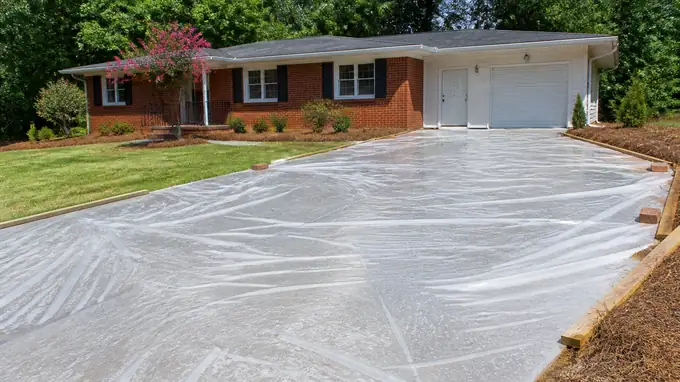
Plastic sheeting covers a curing driveway slab. at a red-brick ranch home in Sandy Springs, GA, in full afternoon sun.

Step 6: Curing

Concrete gains strength slowly, and it needs moisture to do it. We keep the new surface damp or cover it with a curing compound so it does not dry from the top and craze. Foot traffic can come back well before vehicles can, and we tell you the day your car is welcome before we leave. A driveway driven on too early can crack along the same lines we were brought in to repair.

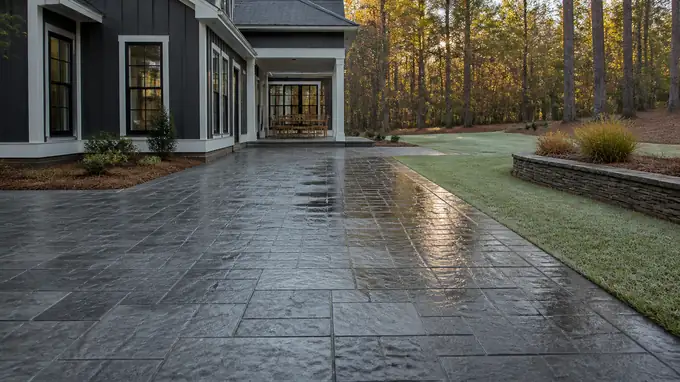
A roller applies sealer to a stamped patio surface. at a charcoal farmhouse-modern home in Sandy Springs, GA, in early morning light.

Step 7: Sealing

Sealer goes on only after the slab has cured enough to accept it. Seal too soon and you trap moisture under a cloudy, peeling film. On plain driveways we use a penetrating sealer that soaks in and resists water and oil drips without changing the look. Stamped and decorative surfaces usually get a film-forming acrylic that deepens the color. Resealing every few years keeps the surface tight, and we show you how to tell when it is due.

The Concrete Options Available in Redan

A cracked driveway in Redan has four fixes, and the right one depends on what the crack is doing. Hairline shrinkage cracks that sit flat get routed and filled with a flexible sealant that moves with the slab. Wider cracks, or ones where one side has dropped, point to a problem under the surface, and we deal with the base before we touch the top. Where wear runs across the whole driveway but the slab itself is sound, a bonded resurfacing coat gives it a new face. Sections that are broken through get cut out and poured back with fresh reinforcement.

Choosing between them means looking at the whole driveway, not just the worst crack. A patch that ignores why the concrete moved tends to crack again right beside it, so we check drainage off the slab, the edges, and how the joints were cut. New sections can be matched to the old surface as closely as the materials allow, though fresh concrete usually reads a little lighter for a while. If full replacement makes more sense, stamped and decorative finishes come into play. Often, though, the slab needs less than people expect.

Redan Questions

How much does it cost to install a 4-footconcrete retaining wall in Redan?

We price a retaining wall after we have seen the ground it sits on, because two 4-foot walls can be very different jobs. Length matters most, then how much soil the wall holds back, whether the footing has to step down a slope, and how water gets out from behind it. At that height the wall is structural, so the reinforcement and the drain line are designed, not guessed. Call us for a free estimate on yours.

Will Sandy Springs Concrete Pros take care of our city permits and inspections?

Yes. When a Redan job needs a permit, we put together the drawings and paperwork, file the application, and plan the work around the inspection points so nothing gets poured before it has been checked. You do not need to stand in line at the permit office. We ask you for a few details about the property and tell you when each inspection is booked. Some small flatwork needs no permit at all, and we say that plainly too.

Should a damaged Redan patio be repaired or replaced?

It comes down to what is under the surface. Hairline cracks and a worn top can often be cleaned, patched and sealed, and the patio still has years left in it. A slab that has sunk, heaved, or broken into pieces that rock against each other has lost its base. Patching that only hides the problem for a season. We check the base before we recommend anything, and if a repair will hold, we tell you so.

Do I need permits for foundation work in Redan?

Yes, in almost every case. Foundation work is structural, and structural work generally needs a permit, drawings, and at least one inspection before concrete goes in. Repairs that touch footings or load-bearing walls count too, not only new pours. We check the requirements for your address before we plan anything, and we handle the application as part of the job. Every site is also tested individually before work starts, so the design fits the ground.

How does the crew minimize downtime and maintain commercial site safety during active business operations in Redan?

Planning around your hours does most of the work. We go over when you open, when deliveries arrive, and which entrances customers use, then phase the pour so part of the lot or walkway stays usable. Work zones are fenced and marked, hoses and cords are kept out of foot traffic, and fresh concrete stays barricaded until it can carry weight. Where it helps, we pour early or late so your busiest hours stay clear.

Do you coordinate ready-mix delivery and placement for Redan job sites?

Yes. We order the ready-mix ourselves, matched to the job: the strength, the slump, and any admixtures the conditions call for. Trucks are timed against the crew so concrete is placed and finished while it is still workable, not left turning in the drum. On a tight site we plan where the truck stands and whether a pump or buggies are needed to reach the forms. You never have to deal with the supplier.

Get a Free Estimate

Get FREE Estimates

Tap to call +1 470-740-7099